

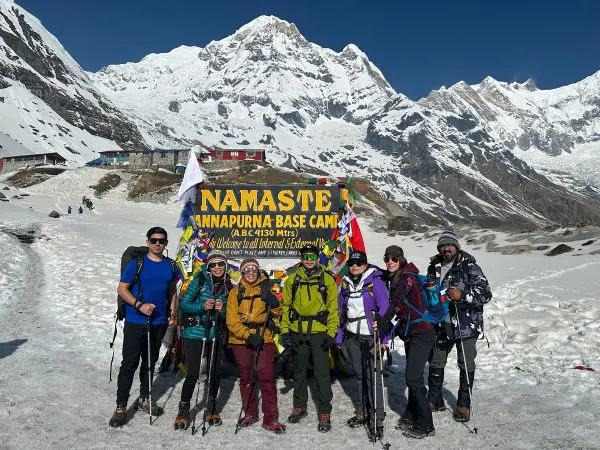
So you’re thinking about heading into the Annapurna region, huh. Good choice, honestly. Many people dive in blind, and things go awry. It is very often underestimated but the Annapurna Circuit Trek Difficulty is quite significant for most people’s photos make it look like a walk in the park. There’s altitude, long days, chilling mornings with bites in your gloves. But do not be afraid just plan smart and you will be just fine.
Getting Your Body Ready Before You Go
Most people are unaware of this step and end up regretting it later. No need to be an athlete, simply develop some stamina. Walk an hour per day uphill, stairs, anything to get legs the ability to climb. Your lungs matter too since you’ll be gaining altitude fast in some sections. A few weeks of prep, even simple stuff, makes a huge difference once you’re actually on the trail sweating and gasping a bit at ten thousand feet.
Packing Smart Without Overloading Your Bag
Here’s a mistake I see constantly, people bring way too much stuff. Warm layers, yes. A good sleeping bag, definitely. But you don’t need five jackets or three pairs of hiking boots. Keep your bag light because you’re carrying it, or a porter is, and either way weight adds up fast on long stretches. Focus on quality over quantity, a decent rain jacket and proper socks go further than anything fancy you saw on some gear website.
Understanding What You’ll Actually Spend
Money talk time, because it matters. The Annapurna Base Camp Trek Cost varies a lot depending on season, guide choice, and how fancy you want your teahouse stays to be. Some folks do it fairly cheap by sticking to basic lodges and local food, others spend more on private guides or better rooms. Permits, transport, and food add up too. Budgeting ahead just saves you stress later, nobody wants to run short on cash halfway through a trek in the mountains.
Dealing With Altitude Without Panic
Altitude sickness is a frightening experience that is easily handled if you are patient. Slowly, drink plenty of water and avoid pushing through acclimatization days even if you feel fine. You’ll feel great one day then all of a sudden a headache strikes back. That’s normal actually. Do not push if the trip is too strenuous do not be afraid to tell your guide and trekking partner if it is not right for you. Most of the problems occur when people ignore small symptoms and then go on as if nothing has happened.
Choosing the Right Season for Your Trek
The best seasons to visit both trails are spring or fall, when skies are clear and temperatures are mild, and there is not a lot of mud. Sometimes it snows in the winter and at times passes are closed and sometimes it is monsoon season and there are slippery trails and no fun. The right timing can make a difference in terms of comfort and even costs higher season higher costs for lodging. While off-season hiking may be cheaper, it may also be more challenging, so consider which factor is more important to you before deciding on your hiking dates.
Conclusion
The main thing these hikes have to offer is preparation, rather than fitness. Take your time, stick to your budget and be flexible if the weather and your body throw you a curveball. Consulting others who have recently walked the trail also aids in this process as things can change from year to year. For those just getting a feel for logistics or needing more detailed planning support, peacenepaltreks.com offers more detailed information on routes, cost and permits. Walk in wonder, do not walk in worry the mountains will reward you with a sunny day.