

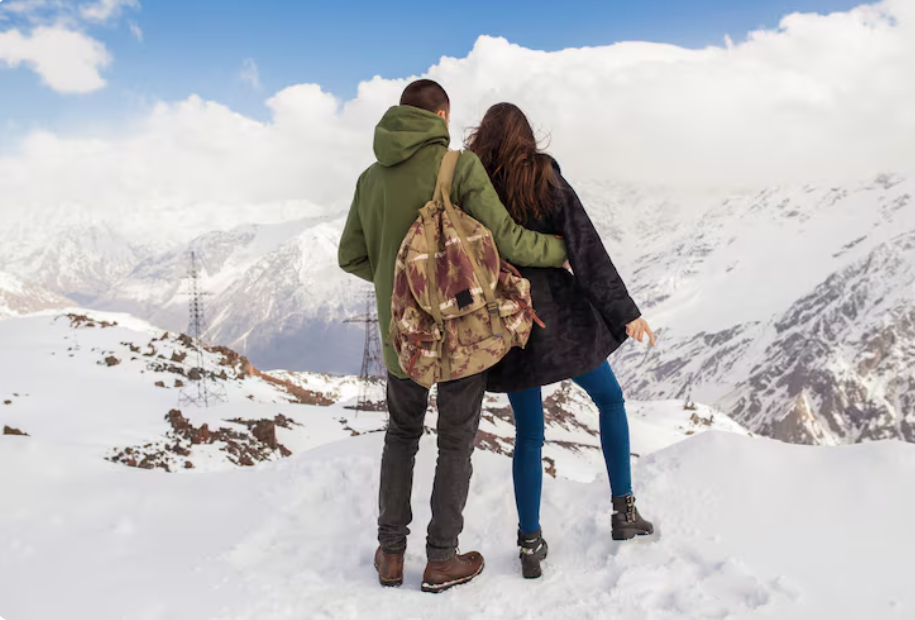
The Manaslu Circuit Trek is one of Nepal’s most spectacular and culturally rich trekking routes, offering a rare blend of remote Himalayan landscapes, authentic Tibetan-influenced villages, and dramatic mountain scenery. Circling the world’s eighth-highest peak, Mount Manaslu (8,163 m), this trek is often described as a quieter alternative to the Annapurna Circuit, yet equally—if not more—rewarding.
In recent years, interest in the Manaslu region has grown steadily due to its pristine environment, restricted-area status, and challenging high-altitude pass. However, trekking here requires careful planning, particularly regarding trekking permits in Manaslu, which differ from those of open trekking regions in Nepal.
This article provides a comprehensive overview of the Manaslu Circuit Trek, with a detailed breakdown of trekking permits, costs, requirements, and practical insights for trekkers.
Overview of the Manaslu Circuit Trek
The Manaslu Circuit Trek typically takes 14 to 18 days, depending on itinerary and acclimatization days. The trek begins in the lower hills of Gorkha district and gradually ascends through subtropical forests, alpine terrain, and high mountain passes before descending into the Annapurna region.
Key highlights of the Manaslu Circuit Trek include:
- Remote and less-crowded trekking trails
- Traditional villages such as Sama Gaon and Samdo
- Ancient monasteries and mani walls influenced by Tibetan Buddhism
- Dramatic crossing of Larkya La Pass (5,106 m)
- Panoramic views of Manaslu, Himlung Himal, Cheo Himal, and Annapurna II
Unlike commercialized trekking routes, the Manaslu Circuit offers a more authentic wilderness experience, making it especially attractive to experienced trekkers seeking solitude and cultural immersion.
Why Manaslu Is a Restricted Trekking Area
The Manaslu region lies close to the Nepal–Tibet border and is officially designated as a restricted trekking area by the Government of Nepal. This designation helps preserve local culture, control tourism impact, and ensure visitor safety.
As a result, trekkers must obtain special trekking permits and meet specific conditions, including traveling with a licensed trekking agency and a registered guide. Independent trekking is not permitted in the Manaslu region.
Trekking Permits in Manaslu: A Complete Breakdown
To legally undertake the Manaslu Circuit Trek, trekkers must obtain three mandatory permits. Each serves a different administrative and conservation purpose.
1. Manaslu Restricted Area Permit (RAP)
The Manaslu Restricted Area Permit is the most important permit for this trek. It applies to the section between Jagat and Dharapani.
Permit cost (per person):
- September to November:
- USD 100 for the first 7 days, plus USD 15 for each additional day
- December to August:
- USD 75 for the first 7 days, plus USD 10 for each additional day
Key requirements:
- Minimum of two trekkers (excluding guide)
- Must be arranged through a government-licensed trekking agency
- A licensed guide is mandatory
This permit cannot be obtained individually and is issued only through registered agencies in Kathmandu or Pokhara.
2. Manaslu Conservation Area Permit (MCAP)
The Manaslu Conservation Area covers the lower and middle sections of the trek and supports environmental conservation and local community development.
Permit cost:
- NPR 3,000 per person (approx. USD 25)
MCAP is required for all trekkers, regardless of season, and helps fund trail maintenance, wildlife protection, and sustainable tourism initiatives.
3. Annapurna Conservation Area Permit (ACAP)
After crossing Larkya La Pass, the Manaslu Circuit Trek enters the Annapurna region, which falls under the Annapurna Conservation Area.
Permit cost:
- NPR 3,000 per person (approx. USD 25)
ACAP is mandatory even if your trek ends shortly after entering the Annapurna area.
Total Cost of Trekking Permits in Manaslu
On average, the total cost of trekking permits in Manaslu ranges from:
- USD 150 to USD 220 per person, depending on:
- Season of travel
- Number of trekking days in the restricted area
These costs are in addition to guide fees, transportation, accommodation, and other trekking expenses.
Documents Required for Manaslu Trekking Permits
To process Manaslu trekking permits, trekkers must provide:
- Original passport (valid for at least 6 months)
- Nepal visa
- Passport-size photographs
- Confirmed trekking itinerary
- Details of licensed guide and trekking agency
Your trekking agency typically manages all permit logistics on your behalf.
Best Time to Trek the Manaslu Circuit
The most favorable seasons for the Manaslu Circuit Trek are:
- Autumn (September–November):
- Stable weather, clear mountain views, and ideal trail conditions
- Spring (March–May):
- Rhododendron blooms, mild temperatures, and good visibility
Winter trekking is possible but challenging due to heavy snow at Larkya La Pass, while the monsoon season brings landslides and poor visibility.
Difficulty Level and Physical Preparation
The Manaslu Circuit Trek is rated moderate to challenging. Trekkers should be prepared for:
- Daily walks of 6–8 hours
- High-altitude exposure above 5,000 meters
- Basic teahouse accommodation in remote villages
Prior trekking experience and good physical conditioning significantly enhance safety and enjoyment.
Why Choose the Manaslu Circuit Trek?
Compared to more popular routes, the Manaslu Circuit Trek offers:
- Fewer crowds and a pristine environment
- Deeper cultural interaction with local communities
- Dramatic mountain scenery in a restricted region
- A sense of exploration and adventure
For trekkers seeking an off-the-beaten-path Himalayan experience, Manaslu stands out as one of Nepal’s finest trekking destinations.
Final Thoughts
The Manaslu Circuit Trek is a remarkable journey through one of Nepal’s most untouched mountain regions. While the requirement for trekking permits in Manaslu may seem complex, these regulations play a crucial role in preserving the region’s natural beauty and cultural heritage.
With proper planning, the right permits, and a reliable trekking agency, the Manaslu Circuit Trek delivers an unforgettable high-Himalayan adventure that rivals any classic trek in Nepal.

2 Comments
Pingback: lisinopril 10 mg tablet
Pingback: cefixime 400mg